Vegetarian Victory: How to Get Enough Protein on a Meat-Free Diet
As the world becomes increasingly health-conscious, many people are turning to a vegetarian lifestyle, citing numerous benefits for their overall well-being and the environment. However, one of the most common concerns for those considering a meat-free diet is getting enough protein. While it’s true that animal products are high in protein, it’s entirely possible to get all the protein you need from plant-based sources. In this article, we’ll explore the importance of protein, the various sources of plant-based protein, and provide tips on how to ensure you’re getting enough protein on a vegetarian diet.
Why Protein is Important
Protein is an essential nutrient that plays a crucial role in maintaining healthy muscles, bones, and organs. It’s also necessary for the production of enzymes, hormones, and other biomolecules that support various bodily functions. The recommended daily intake of protein varies based on age, sex, weight, and activity level, but generally, adults need about 0.8 grams of protein per kilogram of body weight per day.
Plant-Based Protein Sources
Contrary to popular belief, there are numerous plant-based foods that are rich in protein. Some of the best sources include:
- Legumes: Beans, lentils, and peas are some of the most protein-rich plant-based foods. Examples include chickpeas, black beans, kidney beans, and lentils.
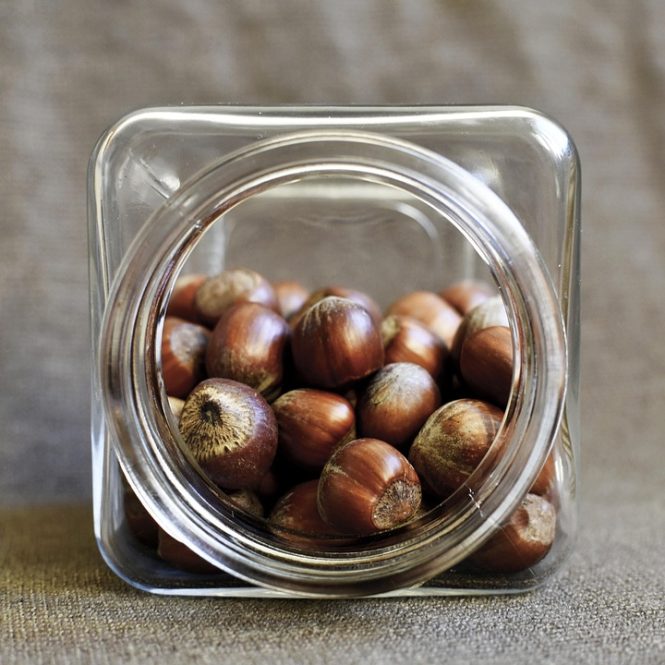
- Nuts and Seeds: Almonds, chia seeds, hemp seeds, and pumpkin seeds are all high in protein and healthy fats.
- Whole Grains: Quinoa, brown rice, and whole wheat bread are good sources of protein and fiber.
- Soy Products: Tofu, tempeh, and edamame are all high in protein and are great alternatives to meat.
- Vegetables: While not as high in protein as other foods, vegetables like broccoli, spinach, and kale do contain some protein and are rich in other essential nutrients.
- Meat Alternatives: Plant-based meat alternatives like veggie burgers and sausages are often made with protein-rich ingredients like beans, lentils, and tofu.
Tips for Getting Enough Protein on a Vegetarian Diet
- Eat a Variety of Foods: Include a variety of plant-based protein sources in your diet to ensure you’re getting all the essential amino acids.
- Combine Foods: Combining different plant-based foods can provide a complete protein. For example, pairing whole grains with legumes or nuts with seeds.
- Incorporate Protein-Rich Foods into Every Meal: Make sure to include a source of protein in every meal, such as adding beans to your salad or having a serving of nuts with your breakfast.
- Consider Plant-Based Protein Powders: If you’re struggling to get enough protein from whole foods, consider adding a plant-based protein powder to your diet.
- Consult with a Registered Dietitian: If you’re new to a vegetarian diet, consider consulting with a registered dietitian to ensure you’re getting all the necessary nutrients.
Common Vegetarian Protein Myths Debunked
- Myth: You need to eat animal products to get enough protein. Reality: Plant-based foods can provide all the protein you need.
- Myth: Vegetarians are protein-deficient. Reality: With a well-planned diet, vegetarians can get all the protein they need from plant-based sources.
- Myth: You need to eat a lot of protein to be healthy. Reality: While protein is essential, excessive protein intake can be harmful to your health.
Conclusion
Getting enough protein on a vegetarian diet is not only possible but also easy with a little planning and creativity. By incorporating a variety of plant-based protein sources into your diet and following the tips outlined in this article, you can ensure you’re getting all the protein you need to maintain optimal health. So, go ahead and join the vegetarian revolution – your body and the planet will thank you!