Starch Smarts: How to Make the Most of Amylose and Amylopectin in Your Diet
Starch, a complex carbohydrate, is a staple component of many diets around the world. It is found in a wide range of foods, including grains, legumes, and root vegetables. However, not all starches are created equal. Two key components of starch, amylose and amylopectin, have distinct properties that can impact their digestion, nutritional value, and overall health effects. In this article, we will delve into the world of starch, exploring the differences between amylose and amylopectin, and providing tips on how to make the most of these molecules in your diet.
What are Amylose and Amylopectin?
Amylose and amylopectin are two types of polysaccharides that make up starch. They are both composed of glucose molecules, but differ in their molecular structure and properties. Amylose is a linear molecule, consisting of long chains of glucose molecules. It is less branched and more compact than amylopectin, which is a highly branched molecule with a larger molecular weight.
Digestion and Absorption
The difference in molecular structure between amylose and amylopectin affects their digestion and absorption in the body. Amylopectin is quickly broken down into glucose by enzymes in the small intestine, resulting in a rapid increase in blood sugar levels. This can be beneficial for athletes or individuals who require a quick energy boost. On the other hand, amylose is more resistant to digestion and absorption, resulting in a slower release of glucose into the bloodstream. This can be beneficial for individuals with diabetes or those who want to manage their blood sugar levels.
Nutritional Value
Both amylose and amylopectin provide energy for the body, but they have different nutritional values. Amylopectin is more easily digestible and provides a quicker source of energy, while amylose is more slowly digested and provides a more sustained release of energy. Additionally, amylose has been shown to have prebiotic properties, feeding the good bacteria in the gut and promoting a healthy gut microbiome.
Food Sources
Amylose and amylopectin are found in a variety of foods, including:
- Amylose-rich foods: legumes (lentils, chickpeas, black beans), whole grains (brown rice, quinoa, whole wheat), and root vegetables (sweet potatoes, carrots)
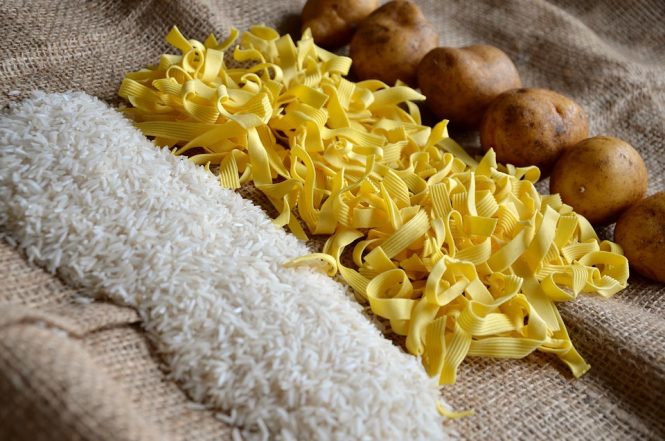
- Amylopectin-rich foods: refined grains (white bread, white rice), starchy vegetables (potatoes, corn), and some fruits (bananas, mangos)
Tips for Making the Most of Amylose and Amylopectin
- Choose whole grains: Whole grains, such as brown rice, quinoa, and whole wheat, are rich in amylose and provide a more sustained release of energy.
- Include legumes in your diet: Legumes, such as lentils, chickpeas, and black beans, are rich in amylose and provide a good source of protein and fiber.
- Eat starchy vegetables: Starchy vegetables, such as sweet potatoes and carrots, are rich in amylose and provide a good source of vitamins and minerals.
- Limit refined grains: Refined grains, such as white bread and white rice, are high in amylopectin and can cause a rapid increase in blood sugar levels.
- Cook and cool starches: Cooking and cooling starches, such as potatoes and rice, can increase the amount of resistant starch, a type of amylose that is not digestible by the body.
- Add starches to your meals: Adding starches, such as whole grains and legumes, to your meals can help to slow down the digestion and absorption of other nutrients, providing a more sustained release of energy.
Conclusion
In conclusion, understanding the differences between amylose and amylopectin can help you make informed choices about your diet. By choosing whole grains, legumes, and starchy vegetables, and limiting refined grains, you can make the most of these molecules and promote a healthy gut microbiome, manage blood sugar levels, and provide sustained energy for the body. Remember, starch is not just a source of energy, but also a complex molecule with distinct properties that can impact your overall health and wellbeing.