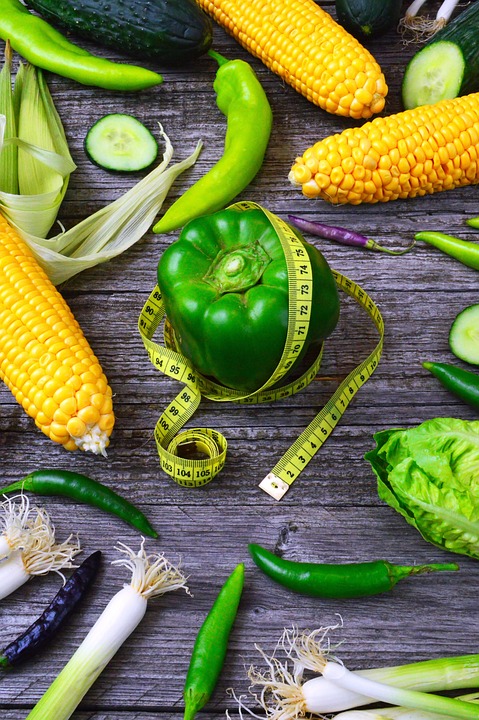
Lose Weight, Feel Great: The Science Behind Effective Nutrition
As the world grapples with the rising tide of obesity and related health issues, the quest for effective weight loss strategies has never been more pressing. With the multitude of fad diets and quick-fix solutions flooding the market, it’s easy to get lost in the noise. However, the key to sustainable weight loss lies not in gimmicks, but in a deep understanding of the science behind nutrition. In this article, we’ll delve into the intricacies of effective nutrition, exploring the physiological and biochemical processes that underpin successful weight loss.
The Caloric Balance Equation
At its core, weight loss boils down to a simple yet often misunderstood concept: caloric balance. The human body operates on a delicate energy balance, where the number of calories consumed is pitted against the number of calories expended. When the scales tip in favor of calorie intake, weight gain ensues. Conversely, when the body burns more calories than it consumes, weight loss occurs. This fundamental equation underlies all weight loss strategies, and it’s essential to grasp its mechanics to devise an effective nutrition plan.
Macronutrients: The Building Blocks of Nutrition
Macronutrients – carbohydrates, proteins, and fats – are the cornerstone of nutrition. Each plays a vital role in the body’s functioning, and their relative proportions can significantly impact weight loss. Carbohydrates, for instance, are the body’s primary energy source, while proteins are essential for muscle growth and repair. Fats, often maligned, are crucial for hormone production and the absorption of vital vitamins. A balanced diet that incorporates the optimal ratios of these macronutrients is essential for sustainable weight loss.
The Glycemic Index: A Measure of Carbohydrate Quality
The glycemic index (GI) is a measure of how quickly carbohydrates raise blood sugar levels. Foods with a high GI, such as white bread and sugary snacks, cause a rapid spike in insulin levels, leading to energy crashes and increased fat storage. In contrast, low-GI foods like whole grains, fruits, and vegetables promote a gradual increase in blood sugar, reducing the likelihood of insulin resistance and weight gain. By incorporating low-GI foods into your diet, you can better regulate blood sugar levels and support weight loss.
The Role of Fiber in Weight Loss
Fiber, a type of indigestible carbohydrate, plays a crucial role in weight loss. A high-fiber diet helps regulate bowel movements, promote satiety, and support the growth of beneficial gut bacteria. Soluble fiber, in particular, has been shown to slow gastric emptying, reducing the absorption of calories and promoting feelings of fullness. Aim to include a variety of fiber-rich foods, such as fruits, vegetables, and whole grains, in your diet to support weight loss.
The Importance of Hydration
Adequate hydration is essential for overall health, and it plays a significant role in weight loss. Water helps regulate appetite, boost metabolism, and support the functioning of vital organs. Even mild dehydration can lead to decreased energy levels, reduced motivation, and increased cravings for unhealthy snacks. Aim to drink at least eight glasses of water per day, and adjust your intake based on your individual needs.
The Science of Portion Control
Portion control is a critical aspect of effective nutrition, and it’s often overlooked in favor of more drastic measures. The key to successful portion control lies in understanding the concept of energy density. Foods with high energy density, such as oils and fats, contain a large number of calories relative to their weight. In contrast, foods with low energy density, such as fruits and vegetables, contain fewer calories per gram. By focusing on whole, unprocessed foods and controlling portion sizes, you can better regulate your caloric intake and support weight loss.
The Power of Mindful Eating
Mindful eating is an often-overlooked aspect of nutrition, but it’s essential for developing a healthy relationship with food. By paying attention to hunger and fullness cues, savoring each bite, and eating slowly, you can reduce stress, increase satisfaction, and support weight loss. Mindful eating also helps you develop a greater awareness of your food choices, allowing you to make more informed decisions about your diet.
Conclusion
Losing weight and feeling great is not just about following a quick-fix diet or relying on gimmicks. It’s about developing a deep understanding of the science behind nutrition and applying that knowledge to create a personalized plan that works for you. By grasping the fundamentals of caloric balance, macronutrient ratios, and portion control, you can unlock the secrets of effective weight loss. Remember to stay hydrated, focus on whole, unprocessed foods, and cultivate a mindful approach to eating. With patience, persistence, and a willingness to learn, you can achieve your weight loss goals and enjoy a healthier, happier you.