The Safer Sear: How to Choose the Right Cooking Oil for a Healthier You
When it comes to cooking, the type of oil used can make all the difference in the nutritional value and flavor of a dish. With so many cooking oils available, it can be overwhelming to choose the right one. However, selecting the right cooking oil is crucial for a healthier you. In this article, we will explore the different types of cooking oils, their nutritional benefits, and how to choose the safest and healthiest option for your searing needs.
Understanding Cooking Oils
Cooking oils are extracted from various plants, seeds, and nuts, each with its unique nutritional profile and smoke point. The smoke point is the temperature at which an oil begins to break down and smoke, potentially releasing harmful compounds. A cooking oil’s nutritional profile and smoke point are essential factors to consider when selecting the right oil for your cooking needs.
Types of Cooking Oils
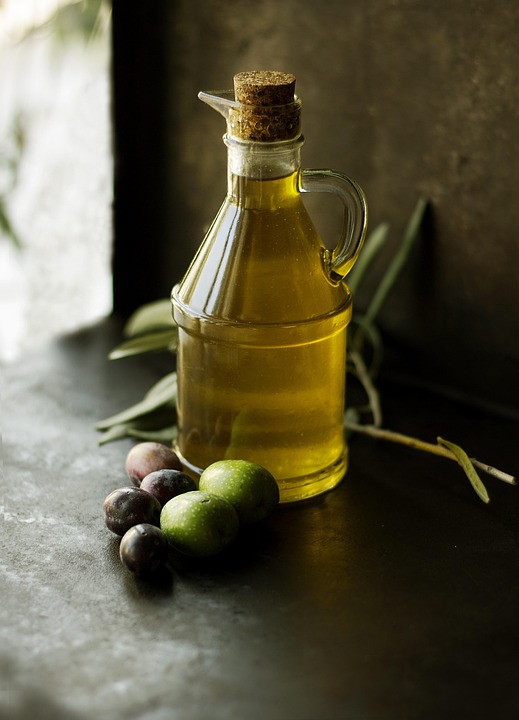
- Olive Oil: Olive oil is a popular choice for cooking, rich in monounsaturated fats, antioxidants, and vitamins. It has a relatively low smoke point, making it ideal for low-heat cooking, dressings, and marinades.
- Coconut Oil: Coconut oil is a saturated fat extracted from coconut meat. It has a high smoke point, making it suitable for high-heat cooking, baking, and sautéing.
- Avocado Oil: Avocado oil is a mild, buttery oil rich in monounsaturated fats and antioxidants. It has a high smoke point, making it ideal for grilling, roasting, and sautéing.
- Grapeseed Oil: Grapeseed oil is a light, neutral-tasting oil with a high smoke point, making it suitable for sautéing, stir-frying, and baking.
- Canola Oil: Canola oil is a neutral-tasting oil with a high smoke point, rich in monounsaturated and polyunsaturated fats. It is ideal for frying, baking, and sautéing.
Health Benefits of Cooking Oils
Different cooking oils offer various health benefits, including:
- Heart Health: Monounsaturated and polyunsaturated fats found in olive, avocado, and canola oils can help lower cholesterol levels and reduce the risk of heart disease.
- Antioxidant Properties: Antioxidants present in olive, avocado, and grapeseed oils can help protect against cell damage and reduce inflammation.
- Weight Management: Healthy fats found in coconut and avocado oils can help with satiety and weight management.
How to Choose the Right Cooking Oil
To choose the right cooking oil, consider the following factors:
- Smoke Point: Select an oil with a smoke point that suits your cooking method. For high-heat cooking, choose oils with a high smoke point, such as avocado or grapeseed oil.
- Nutritional Profile: Opt for oils rich in monounsaturated and polyunsaturated fats, such as olive or canola oil, for heart health benefits.
- Flavor: Choose an oil that complements the flavor of your dish. For example, use olive oil for Mediterranean-inspired dishes or avocado oil for Mexican-inspired dishes.
- Shelf Life: Select oils with a long shelf life to minimize waste and ensure freshness.
Tips for Healthy Cooking with Oils
- Use the Right Amount: Use the recommended amount of oil for your recipe to avoid excessive fat intake.
- Store Oils Properly: Store oils in a cool, dark place to prevent oxidation and spoilage.
- Choose Cold-Pressed Oils: Opt for cold-pressed oils to ensure minimal processing and preservation of nutrients.
- Avoid Reusing Oils: Avoid reusing cooking oils to prevent the formation of harmful compounds and ensure food safety.
Conclusion
Choosing the right cooking oil is crucial for a healthier you. By understanding the different types of cooking oils, their nutritional benefits, and how to choose the safest and healthiest option, you can make informed decisions about your cooking oil selection. Remember to consider the smoke point, nutritional profile, flavor, and shelf life when selecting a cooking oil. By following these tips and choosing the right cooking oil, you can enjoy a safer and healthier sear.