Grill Smart, Eat Smart: Expert Tips for a Healthier Backyard BBQ
The sun is shining, the temperatures are rising, and the smell of sizzling burgers and hot dogs is wafting through the air. It’s officially backyard BBQ season! While grilled foods can be a tasty and convenient option for outdoor gatherings, they can also be a nutritional minefield if not approached with caution. But fear not, health-conscious grill masters! With a few expert tips and tricks, you can enjoy a delicious and healthier backyard BBQ that will satisfy your taste buds and nourish your body.
Choose the Right Proteins
When it comes to grilling, protein is often the star of the show. But not all proteins are created equal. Opt for leaner options like chicken breast, turkey burgers, or grilled fish, which are lower in saturated fat and calories. If you’re a die-hard beef fan, look for cuts that are labeled as “lean” or “grass-fed,” which tend to be higher in omega-3 fatty acids and conjugated linoleic acid (CLA), a nutrient that may help with weight management.
Veggie Power
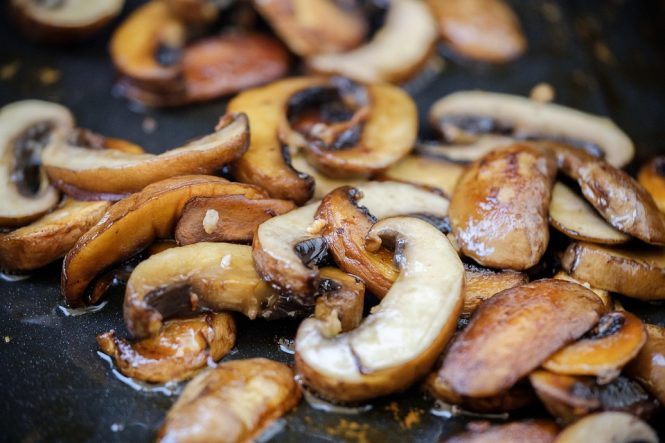
Don’t forget about the veggies! Grilled vegetables like bell peppers, zucchini, and onions are not only delicious, but they’re also packed with fiber, vitamins, and antioxidants. Try marinating them in a mixture of olive oil, lemon juice, and herbs for added flavor. And don’t be afraid to get creative with your veggie choices – grilled portobello mushrooms, eggplant, and even fruit like pineapple and peaches make great additions to any BBQ.
Healthy Grilling Techniques
The way you grill your food can greatly impact its nutritional value. Here are a few tips to keep in mind:
- Preheat, preheat, preheat: A hot grill is essential for cooking food evenly and preventing the formation of harmful compounds like heterocyclic amines (HCAs) and polycyclic aromatic hydrocarbons (PAHs).
- Don’t press down: Resist the temptation to press down on your burgers or sandwiches with your spatula, as this can squeeze out juices and make your food dry and tough.
- Use a thermometer: Make sure your grill is at a safe temperature (at least 165°F for poultry and 145°F for beef, pork, and lamb) to prevent foodborne illness.
- Don’t overcook: Cook your food until it’s just done, then let it rest for a few minutes before serving. Overcooking can lead to dry, tough meat and a loss of nutrients.
Smart Sides and Snacks
While the grill is the main event, the sides and snacks you serve can make or break the nutritional value of your BBQ. Here are a few ideas for healthier options:
- Grilled corn on the cob: Slather with olive oil, salt, and pepper for a delicious and nutritious side dish.
- Quinoa salad: Mix cooked quinoa with chopped veggies, nuts, and a tangy dressing for a protein-packed side.
- Fresh fruit skewers: Thread fresh fruit like grapes, berries, and pineapple onto skewers for a light and refreshing snack.
- Veggie chips: Bake or dehydrate sliced veggies like sweet potatoes, beets, and parsnips for a crispy and addictive snack.
Beverages and Desserts
No BBQ is complete without a few refreshing drinks and sweet treats. Here are a few ideas for healthier options:
- Infused water: Add slices of lemon, lime, or cucumber to a pitcher of water for a refreshing and flavorful drink.
- Iced tea: Brew a pot of tea and sweeten it with honey or stevia for a sweet and satisfying drink.
- Grilled fruit: Grill slices of fruit like peaches, pineapple, or bananas for a sweet and smoky dessert.
- Dark chocolate: Offer dark chocolate squares or truffles for a rich and indulgent treat that’s also packed with antioxidants.
Conclusion
With a few simple tips and tricks, you can enjoy a healthier and more delicious backyard BBQ that will satisfy your taste buds and nourish your body. Remember to choose the right proteins, veggie power, healthy grilling techniques, smart sides and snacks, and refreshing beverages and desserts. Happy grilling!