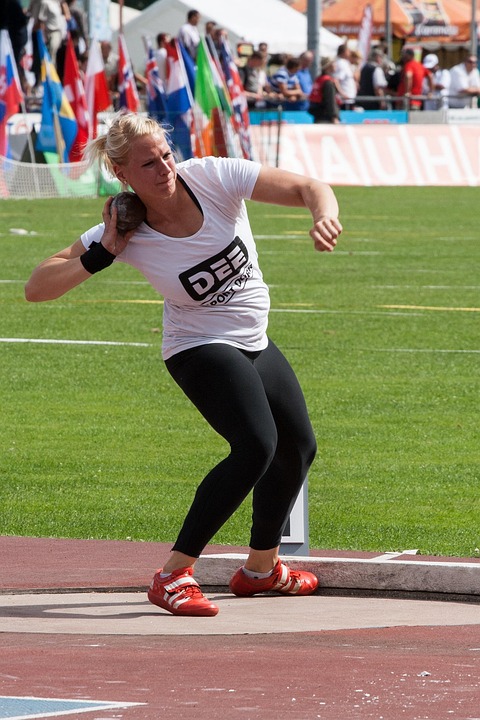
Shot Put Strength: Rotational Throwing for Distance
The shot put is a technical and physically demanding throwing event in track and field that requires a combination of strength, power, speed, and technique. One of the most effective ways to achieve distance in the shot put is through rotational throwing, a technique that generates speed and power by rotating the body and generating torque. In this article, we will explore the importance of strength in rotational throwing for distance in the shot put.
Understanding Rotational Throwing
Rotational throwing is a technique used by shot putters to generate speed and power by rotating their body and generating torque. This technique involves rotating the feet, hips, and torso to generate momentum and build up speed before releasing the shot put. The rotation helps to transfer the energy from the body to the shot put, resulting in a more efficient and powerful throw.
Key Strength Components
To achieve distance in the shot put through rotational throwing, athletes need to develop specific strength components. These include:
- Core Strength: A strong core is essential for rotational throwing as it helps to generate torque and transfer energy from the body to the shot put. Exercises such as planks, Russian twists, and rotational medicine ball throws can help to develop core strength.
- Leg Strength: Strong legs are necessary for generating power and speed in the shot put. Exercises such as squats, deadlifts, and lunges can help to develop leg strength.
- Hip Strength: The hips play a critical role in rotational throwing, helping to generate torque and speed. Exercises such as hip thrusts, glute bridges, and step-ups can help to develop hip strength.
- Upper Body Strength: While not as critical as core, leg, and hip strength, upper body strength is still important for rotational throwing. Exercises such as push-ups, rows, and shoulder presses can help to develop upper body strength.
Training for Rotational Throwing
To develop the strength and technique necessary for rotational throwing, athletes should incorporate a range of exercises and training methods into their program. These include:
- Weightlifting: Weightlifting exercises such as squats, deadlifts, and bench presses can help to develop overall strength and power.
- Plyometrics: Plyometric exercises such as box jumps and medicine ball throws can help to develop explosive power and speed.
- Rotational Medicine Ball Throws: Rotational medicine ball throws can help to develop rotational strength and power.
- Shot Put Specific Drills: Shot put specific drills such as the “spin” and “rotational” throws can help to develop technique and build up strength and power.
Technique and Form
While strength is essential for rotational throwing, technique and form are also critical. Athletes should focus on developing a consistent and efficient technique, including:
- Stance and Positioning: A stable and balanced stance is essential for generating power and speed.
- Grip and Release: A consistent grip and release technique is necessary for achieving distance and accuracy.
- Body Rotation: A smooth and efficient body rotation is critical for generating torque and speed.
- Follow-Through: A consistent follow-through is necessary for maintaining balance and generating additional power.
Conclusion
Rotational throwing is a highly effective technique for achieving distance in the shot put, requiring a combination of strength, power, speed, and technique. By developing specific strength components, incorporating a range of exercises and training methods, and focusing on technique and form, athletes can optimize their performance and achieve greater distances in the shot put. Whether you’re a seasoned athlete or just starting out, understanding the importance of strength in rotational throwing can help you take your shot put performance to the next level.