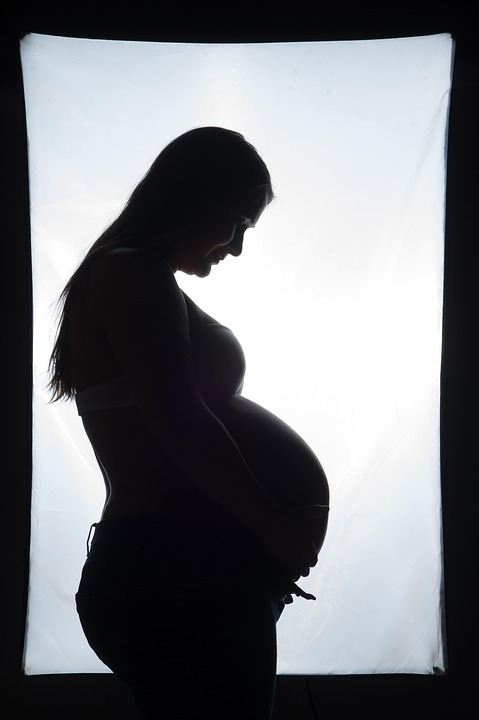
Pregnancy Nutrition 101: What to Eat and What to Avoid
Congratulations on your pregnancy! As an expectant mother, you’re probably aware of the importance of a healthy diet for your growing baby and your own well-being. Eating a balanced and nutritious diet during pregnancy is crucial for your baby’s development, as well as for your own health and comfort. In this article, we’ll cover the basics of pregnancy nutrition, including what to eat and what to avoid.
Why is Pregnancy Nutrition Important?
A healthy diet during pregnancy is essential for:
- Fetal development: Your baby’s growth and development rely on the nutrients you consume. A well-nourished diet ensures your baby receives the necessary building blocks for proper growth and development.
- Maternal health: A balanced diet helps maintain your overall health, reducing the risk of pregnancy complications, such as gestational diabetes, hypertension, and anemia.
- Birth weight and outcomes: Adequate nutrition can influence your baby’s birth weight and overall health at birth.
Essential Nutrients for Pregnancy
To support your baby’s growth and your own health, focus on consuming the following essential nutrients:
- Folic acid: Crucial for preventing birth defects of the brain and spine, such as spina bifida.
- Iron: Essential for the production of red blood cells, which carry oxygen to your baby.
- Calcium: Necessary for your baby’s bone development and your own bone health.
- Protein: Supports fetal growth and development, as well as your own muscle health.
- Omega-3 fatty acids: Important for your baby’s brain and eye development.
- Vitamin D: Crucial for bone health and immune system function.
- Whole grains: Rich in fiber, vitamins, and minerals, whole grains support your baby’s growth and your own digestive health.
Foods to Eat During Pregnancy
Incorporate the following foods into your diet to ensure you’re getting the necessary nutrients:
- Leafy greens: Spinach, kale, and broccoli are rich in folate, iron, and calcium.
- Fresh fruits: Berries, citrus fruits, and apples provide essential vitamins and fiber.
- Nuts and seeds: Almonds, walnuts, and chia seeds are rich in healthy fats, protein, and fiber.
- Lean proteins: Chicken, fish, and beans are excellent sources of protein and iron.
- Whole grains: Brown rice, quinoa, and whole wheat bread provide fiber, vitamins, and minerals.
- Dairy products: Milk, cheese, and yogurt are rich in calcium, protein, and vitamin D.
- Healthy fats: Avocados, olive oil, and nuts support fetal development and overall health.
Foods to Avoid During Pregnancy
While a balanced diet is essential, there are certain foods and substances that should be avoided or limited during pregnancy:
- Raw or undercooked meat: Avoid raw or undercooked meat, poultry, and seafood to prevent foodborne illnesses.
- High-mercury fish: Limit or avoid fish with high mercury levels, such as shark, swordfish, and king mackerel.
- Unpasteurized dairy: Avoid unpasteurized dairy products, such as raw milk and soft cheeses, to prevent foodborne illnesses.
- Caffeine: Limit caffeine intake to 200mg per day (about one cup of coffee).
- Artificial sweeteners: Avoid artificial sweeteners, such as aspartame and saccharin, as their safety during pregnancy is not well established.
- Processed and high-sugar foods: Limit or avoid processed and high-sugar foods, such as sugary snacks and drinks, to maintain a healthy weight and prevent gestational diabetes.
Additional Tips
- Stay hydrated: Drink plenty of water throughout the day to support your baby’s growth and your own overall health.
- Take a prenatal supplement: Consult with your healthcare provider about taking a prenatal supplement to ensure you’re getting all the necessary nutrients.
- Eat small, frequent meals: Divide your daily calorie intake!Esp?cis while/groups to manage morning sickness and prevent overeating.
- Avoid excessive weight gain: Aim for a healthy weight gain of 25-35 pounds (11-16 kg) during your entire pregnancy.
In conclusion, a well-planned diet during pregnancy is essential for your baby’s growth and development, as well as your own health and comfort. By incorporating essential nutrients, eating a balanced diet, and avoiding certain foods and substances, you’ll be well on your way to a healthy pregnancy. Always consult with your healthcare provider for personalized nutrition advice and guidance.