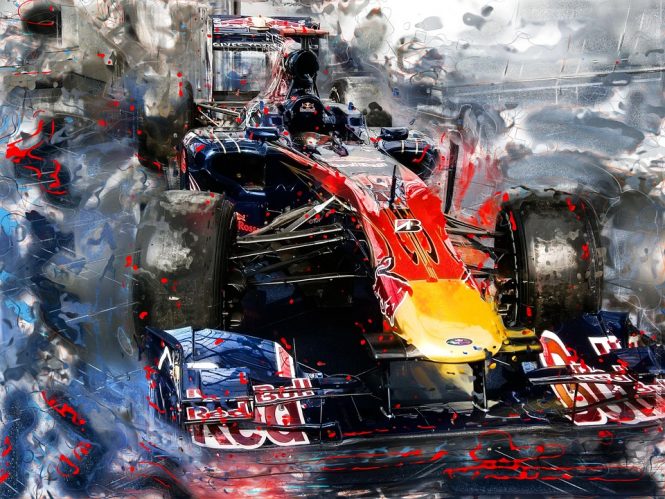
From Karting to F1: The Path of a Champion
For many young drivers, the dream of racing in Formula 1 (F1) is a lifelong ambition. The pinnacle of open-wheel racing, F1 is the ultimate test of speed, skill, and strategy. But for those who want to reach the top, the journey is long and arduous, often beginning in the humble world of karting. In this article, we’ll explore the path of a champion, from karting to F1, and what it takes to succeed at the highest level.
The Early Days: Karting
Karting is the breeding ground for future racing stars. It’s where many young drivers first experience the thrill of speed and competition, and where they learn the fundamental skills that will serve them well throughout their careers. Karting teaches drivers how to brake, accelerate, and corner, as well as how to navigate tight, twisty tracks and adapt to different racing conditions.
Many of the sport’s biggest stars, including Lewis Hamilton, Fernando Alonso, and Sebastian Vettel, began their racing careers in karting. For these drivers, karting was not just a hobby, but a serious pursuit that required dedication, hard work, and a willingness to learn.
The Junior Ranks: Formula Ford and Formula 3
As young drivers progress from karting, they typically move into junior open-wheel racing series, such as Formula Ford and Formula 3. These series provide a stepping stone to higher-level racing, allowing drivers to develop their skills in more powerful cars and compete against tougher opposition.
Formula Ford, in particular, is a popular series for young drivers, with many F1 teams using it as a feeder series to identify and develop talent. Formula 3, meanwhile, is a more advanced series that prepares drivers for the physical and mental demands of F1.
The Rise to F1: GP2 and GP3
The next step on the path to F1 is often GP2 or GP3, which are feeder series that provide a platform for drivers to showcase their skills and demonstrate their ability to compete at the highest level. GP2, in particular, has a strong track record of producing F1 drivers, with many of its graduates going on to secure seats with top teams.
Drivers who succeed in GP2 or GP3 will often be picked up by F1 teams, either as test drivers or reserve drivers, and may eventually be given the opportunity to compete in a F1 Grand Prix.
The Top Level: F1
Finally, for those who have worked tirelessly to develop their skills and demonstrate their potential, comes the ultimate reward: a seat in F1. The pinnacle of open-wheel racing, F1 is a highly competitive and technologically advanced series that pushes drivers to their limits.
To succeed in F1, drivers need to possess a unique combination of speed, strategy, and physical and mental endurance. They must be able to adapt quickly to changing conditions, make split-second decisions, and push themselves to the limit, all while maintaining a cool head and a sharp focus.
The Characteristics of a Champion
So, what does it take to become a champion in F1? Here are a few key characteristics that are common among successful drivers:
- Speed and agility: The ability to drive quickly and consistently, while also being able to adapt to different racing conditions.
- Strategy and tactics: The ability to think critically and make smart decisions, both on and off the track.
- Physical and mental endurance: The ability to withstand the physical demands of F1, including high G-forces and intense heat, while also maintaining a sharp mental focus.
- Dedication and hard work: A willingness to put in the time and effort required to develop and refine skills, and to continuously push oneself to be better.
- Mental toughness: The ability to bounce back from setbacks and disappointments, and to maintain a positive and focused mindset, even in the face of adversity.
Conclusion
The path from karting to F1 is long and challenging, but for those who are dedicated, talented, and driven, it can be a rewarding and exhilarating journey. From the early days of karting to the junior ranks of Formula Ford and Formula 3, and finally to the top level of F1, the journey requires a combination of speed, strategy, and mental and physical endurance.
For those who want to become champions, the journey is just beginning. With hard work, dedication, and a willingness to learn and adapt, anything is possible. As the great F1 driver, Ayrton Senna, once said, “If you no longer go for a gap that exists, you are no longer a racing driver.” The gap is there, waiting to be filled by the next generation of F1 champions.