The Blood Pressure Diet: What to Eat and What to Avoid for a Healthier Heart
High blood pressure, also known as hypertension, is a major risk factor for cardiovascular disease, heart attacks, strokes, and kidney disease. While medications can help manage blood pressure, making dietary changes is an essential step in maintaining a healthy heart. The Blood Pressure Diet, also known as the DASH diet (Dietary Approaches to Stop Hypertension), is a well-studied eating plan that has been shown to help lower blood pressure and reduce the risk of heart disease.
Foods to Eat
The Blood Pressure Diet emphasizes whole, unprocessed foods, including:
- Fresh Fruits and Vegetables: Rich in potassium, fiber, and antioxidants, fruits and vegetables help lower blood pressure and improve overall health. Aim for at least 5 servings a day, including leafy greens, berries, and citrus fruits.
- Whole Grains: Whole grains, such as brown rice, quinoa, and whole-wheat bread, provide fiber, vitamins, and minerals that help regulate blood pressure.
- Lean Protein: Choose lean protein sources, such as poultry, fish, and legumes, which are low in saturated fat and high in nutrients.
- Low-Fat Dairy: Low-fat dairy products, such as milk, cheese, and yogurt, are rich in calcium, potassium, and protein, which help lower blood pressure.
- Healthy Fats: Nuts, seeds, avocados, and olive oil are rich in healthy fats that help lower LDL (bad) cholesterol and improve overall heart health.
- Potassium-Rich Foods: Include potassium-rich foods, such as bananas, spinach, and sweet potatoes, in your diet to help lower blood pressure.
Foods to Avoid
While it’s essential to focus on whole, nutrient-dense foods, there are certain foods that can exacerbate high blood pressure. Limit or avoid the following:
- Sodium-Rich Foods: Processed and packaged foods, such as canned soups, frozen meals, and snack foods, are often high in sodium, which can raise blood pressure.
- Saturated and Trans Fats: Foods high in saturated and trans fats, such as red meat, full-fat dairy products, and processed snacks, can increase LDL cholesterol and worsen blood pressure.
- Added Sugars: Consuming high amounts of added sugars, found in sugary drinks, baked goods, and candy, can lead to insulin resistance, weight gain, and high blood pressure.
- Refined Carbohydrates: Refined carbohydrates, such as white bread, sugary snacks, and sweetened beverages, can cause a spike in blood sugar and insulin levels, leading to increased blood pressure.
- Caffeine and Alcohol: While moderate amounts of caffeine and alcohol may not significantly affect blood pressure, excessive consumption can lead to increased blood pressure and cardiovascular problems.
Additional Tips
In addition to making dietary changes, consider the following tips to help manage blood pressure:
- Stay Hydrated: Drink plenty of water throughout the day to help regulate blood pressure.
- Exercise Regularly: Engage in moderate-intensity exercise, such as brisk walking, cycling, or swimming, for at least 30 minutes a day.
- Manage Stress: Practice stress-reducing techniques, such as meditation, yoga, or deep breathing exercises, to help manage stress and lower blood pressure.
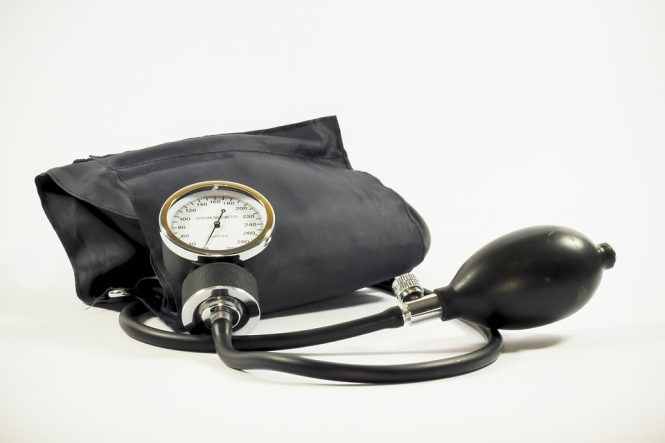
- Monitor Blood Pressure: Regularly monitor your blood pressure to track changes and make adjustments to your diet and lifestyle as needed.
Conclusion
The Blood Pressure Diet is a well-studied eating plan that can help lower blood pressure and reduce the risk of heart disease. By focusing on whole, unprocessed foods and limiting or avoiding foods that can exacerbate high blood pressure, you can take a proactive approach to maintaining a healthy heart. Remember to stay hydrated, exercise regularly, manage stress, and monitor your blood pressure to ensure optimal cardiovascular health. Consult with your healthcare provider or a registered dietitian to create a personalized plan that meets your specific needs and health goals.