Understanding Golf Ball Technology: Finding Your Perfect Sphere
For golfers, the right golf ball can make all the difference in their game. With so many options available on the market, it can be overwhelming to choose the perfect sphere. However, understanding golf ball technology is essential to finding the right ball that suits your swing, style, and preferences. In this article, we will delve into the world of golf ball technology, exploring the latest advancements, materials, and designs that can help you improve your game.
The Evolution of Golf Ball Technology
Golf ball technology has come a long way since the early days of golf. The first golf balls were made of wood, followed by featheries, and eventually, the modern golf ball with its rubber core and synthetic cover. Today, golf balls are designed with advanced materials and technologies that provide unparalleled performance, distance, and control.
Key Components of a Golf Ball
A modern golf ball consists of several key components, each playing a crucial role in its overall performance. These components include:
- Core: The core is the central part of the golf ball, made of a rubber-like material that provides the ball’s compression and bounce. Different core materials and constructions can affect the ball’s feel, distance, and spin.
- Mantle: The mantle is the layer surrounding the core, which helps to control the ball’s spin and trajectory. Mantle materials can range from soft and flexible to firm and rigid.
- Cover: The cover is the outer layer of the golf ball, made of a durable material such as urethane or surlyn. The cover affects the ball’s aerodynamics, durability, and feel.
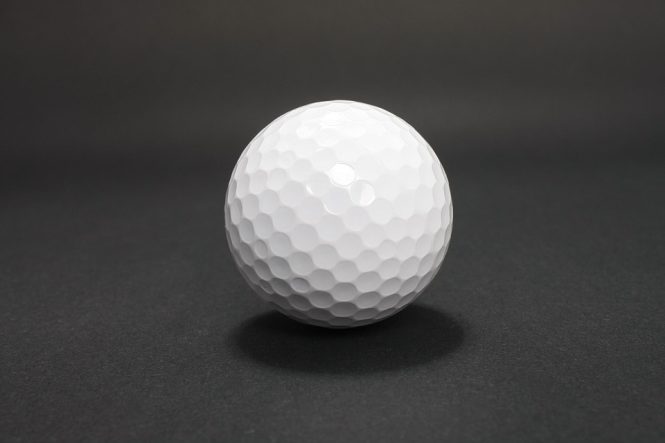
- Dimple Pattern: The dimple pattern on a golf ball is designed to reduce drag and increase lift, allowing the ball to fly straighter and farther.
Types of Golf Balls
With so many golf balls on the market, it’s essential to understand the different types of balls and their characteristics. The main types of golf balls include:
- Two-Piece Balls: These balls feature a solid core and a single layer of covering. They are known for their distance and durability.
- Three-Piece Balls: These balls have a core, mantle, and cover. They offer a softer feel and more spin control.
- Four-Piece Balls: These balls have an additional layer, which provides even more spin control and a softer feel.
- Tour Balls: These balls are designed for professional golfers and feature advanced materials and technologies for maximum performance.
Materials and Technologies
Golf ball manufacturers are continually innovating and introducing new materials and technologies to enhance performance. Some of the key materials and technologies include:
- Urethane Covers: Urethane covers provide a softer feel and more spin control.
- Cast Urethane: Cast urethane covers offer improved durability and scuff resistance.
- Surlyn Covers: Surlyn covers are more durable and resistant to cuts and scratches.
- Graphene: Graphene is a lightweight, ultra-strong material used in some golf balls to enhance distance and durability.
- Aerodynamic Technologies: Manufacturers are using advanced aerodynamic technologies, such as dimple patterns and surface texturing, to reduce drag and increase lift.
Finding Your Perfect Sphere
With so many golf balls on the market, finding the perfect sphere can be a daunting task. Here are some tips to help you choose the right golf ball:
- Swing Speed: Choose a ball that matches your swing speed. Faster swing speeds require balls with lower compression, while slower swing speeds require balls with higher compression.
- Spin Preference: If you prefer a lot of spin, look for balls with softer covers and more advanced spin technologies.
- Distance Priority: If distance is your top priority, look for balls with firmer covers and advanced aerodynamic technologies.
- Feel and Feedback: Choose a ball that provides the right feel and feedback for your swing.
- Budget: Golf balls can range from affordable to very expensive. Set a budget and choose a ball that meets your needs within that range.
Conclusion
Understanding golf ball technology is essential to finding the perfect sphere that suits your swing, style, and preferences. By knowing the key components, types of golf balls, materials, and technologies, you can make an informed decision and choose a ball that will help you improve your game. Remember to consider your swing speed, spin preference, distance priority, feel and feedback, and budget when selecting a golf ball. With the right ball, you’ll be well on your way to a better game and more enjoyable golfing experience.