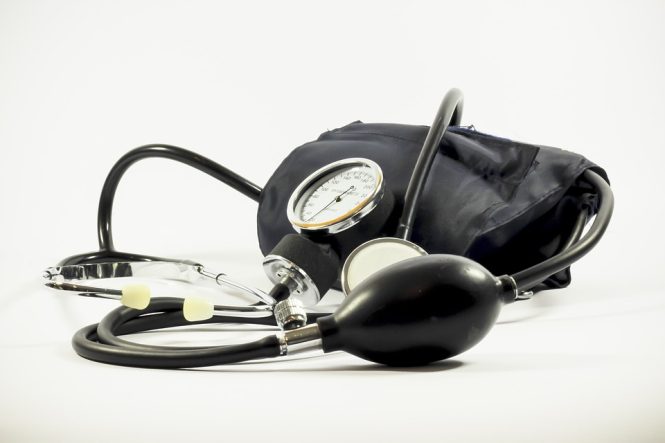
Sodium Savvy: How to Reduce Your Salt Intake and Lower Your Blood Pressure
High blood pressure, also known as hypertension, is a major risk factor for heart disease, stroke, and kidney disease. One of the key contributors to high blood pressure is excessive sodium consumption. In this article, we will discuss the importance of reducing salt intake and provide practical tips on how to do so, in order to lower your blood pressure and maintain a healthy lifestyle.
The Dangers of Excessive Sodium Consumption
Sodium is an essential mineral that helps regulate the amount of water in our bodies and supports nerve and muscle function. However, consuming too much sodium can lead to high blood pressure, which can cause damage to blood vessels, heart, and kidneys. The American Heart Association (AHA) recommends limiting daily sodium intake to less than 2,300 milligrams (mg) for healthy individuals, and less than 1,500 mg for those who are at risk for high blood pressure or have kidney disease.
The Effects of Sodium on Blood Pressure
When we consume excessive sodium, our bodies retain more water, which increases blood volume and puts extra pressure on blood vessels. This can lead to high blood pressure, which can cause:
- Damage to blood vessels, making them narrower and less flexible
- Increased risk of heart attack, stroke, and kidney disease
- Fluid buildup in the lungs, leading to respiratory problems
Reducing Sodium Intake: Simple Steps
Fortunately, reducing sodium intake is easier than you think. Here are some simple steps to help you get started:
- Read food labels: Check the nutrition label for sodium content. Choose products with less than 140 mg of sodium per serving.
- Cook from scratch: Prepare meals using fresh ingredients, rather than relying on packaged or processed foods, which tend to be high in sodium.
- Use herbs and spices: Instead of salt, use herbs and spices to add flavor to your food.
- Limit processed and packaged foods: Processed and packaged foods, such as soups, sauces, and condiments, are often high in sodium.
- Eat more fruits and vegetables: Fresh fruits and vegetables are naturally low in sodium and rich in potassium, which can help lower blood pressure.
- Try sodium-free seasoning blends: Many companies now offer sodium-free seasoning blends that can add flavor to your food without the salt.
- Gradually reduce sodium intake: If you’re used to consuming high amounts of sodium, it may take some time to adjust to a lower sodium diet. Start by reducing your sodium intake gradually, over a period of weeks or months.
Sodium-Savvy Tips for Common Foods
Here are some tips for reducing sodium intake in common foods:
- Soups: Choose low-sodium soups or make your own using fresh vegetables and herbs.
- Sandwiches: Use low-sodium condiments, such as mustard or hummus, instead of mayonnaise or salt.
- Salads: Use vinaigrette dressings, which tend to be lower in sodium than creamy dressings.
- Bread: Choose whole grain bread, which tends to be lower in sodium than white bread.
- Cheese: Use lower-sodium cheese options, such as part-skim mozzarella or reduced-sodium cheddar.
Conclusion
Reducing sodium intake is a simple and effective way to lower your blood pressure and maintain a healthy lifestyle. By following the tips outlined in this article, you can make informed choices about the foods you eat and reduce your risk of high blood pressure and related health problems. Remember, small changes add up over time, so start making sodium-savvy choices today and take the first step towards a healthier tomorrow.
Additional Resources
- American Heart Association (AHA): www.heart.org
- Centers for Disease Control and Prevention (CDC): www.cdc.gov
- National Institutes of Health (NIH): www.nih.gov
By being sodium-savvy, you can take control of your health and reduce your risk of high blood pressure and related health problems. Start making the changes today and enjoy a healthier, happier life!