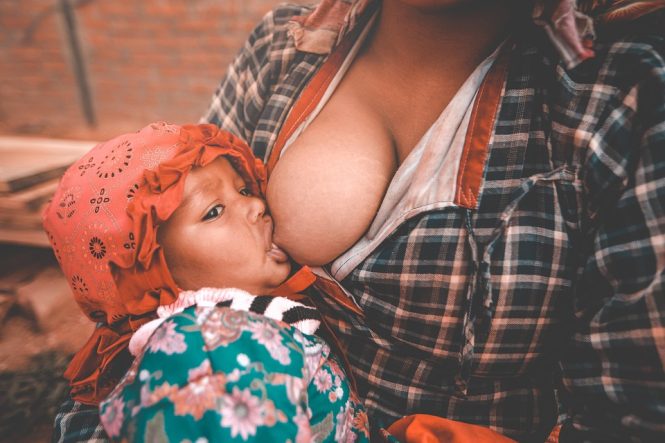
The Breastfeeding Diet: What to Eat for a Happy, Healthy Baby
As a new mother, one of the most important decisions you can make for your baby’s health and well-being is to breastfeed. Not only does breastfeeding provide your baby with essential nutrients and antibodies, but it also helps to promote bonding and can even reduce the risk of certain diseases. However, in order to produce high-quality milk and maintain your own health, it’s essential to follow a balanced and nutritious breastfeeding diet. In this article, we’ll explore the best foods to eat while breastfeeding, as well as some tips for maintaining a healthy and happy baby.
Why a Breastfeeding Diet is Important
Breast milk is made up of approximately 87% water, 7% carbohydrates, 4% fat, and 1% protein. In order to produce milk that is rich in these nutrients, it’s essential to consume a diet that is rich in whole foods, including fruits, vegetables, whole grains, lean proteins, and healthy fats. A well-planned breastfeeding diet can help to:
- Support milk production and quality
- Promote baby’s growth and development
- Boost baby’s immune system
- Support mother’s overall health and well-being
Foods to Eat While Breastfeeding
So, what should you be eating while breastfeeding? Here are some of the best foods to include in your diet:
- Leafy Greens: Leafy greens like spinach, kale, and collard greens are rich in iron, calcium, and vitamins A and K, making them an excellent addition to a breastfeeding diet.
- Fatty Fish: Fatty fish like salmon, tuna, and mackerel are rich in omega-3 fatty acids, which are essential for baby’s brain and eye development.
- Nuts and Seeds: Nuts and seeds like almonds, cashews, and pumpkin seeds are rich in healthy fats, protein, and fiber, making them a great snack for breastfeeding mothers.
- Whole Grains: Whole grains like brown rice, quinoa, and whole wheat bread provide complex carbohydrates, fiber, and B vitamins, which are essential for energy production and milk synthesis.
- Lean Proteins: Lean proteins like chicken, turkey, and beans provide essential amino acids, which are necessary for baby’s growth and development.
- Dairy: Dairy products like milk, cheese, and yogurt provide calcium, protein, and vitamins D and B12, which are essential for bone health and milk production.
- Fresh Fruits: Fresh fruits like berries, citrus fruits, and apples provide essential vitamins, minerals, and antioxidants, which can help to boost baby’s immune system.
Foods to Avoid While Breastfeeding
While there are many foods that are beneficial for breastfeeding mothers, there are also some foods that should be avoided. These include:
- Caffeine: High levels of caffeine can pass into breast milk and affect baby’s sleep and digestion.
- Alcohol: Alcohol can pass into breast milk and affect baby’s development and behavior.
- Spicy Foods: Spicy foods can cause digestive issues in baby and affect milk production.
- Processed Foods: Processed foods are often high in sugar, salt, and unhealthy fats, which can negatively impact milk quality and mother’s overall health.
Tips for Maintaining a Healthy Breastfeeding Diet
In addition to eating a balanced diet, there are several tips that can help breastfeeding mothers maintain a healthy and happy baby:
- Stay Hydrated: Drinking plenty of water can help to support milk production and overall health.
- Eat Frequently: Eating smaller, frequent meals can help to maintain energy levels and support milk production.
- Avoid Stress: High levels of stress can negatively impact milk production and overall health.
- Get Enough Rest: Getting enough rest and sleep can help to support milk production and overall health.
Conclusion
A well-planned breastfeeding diet is essential for supporting milk production, baby’s growth and development, and mother’s overall health and well-being. By eating a balanced diet that includes whole foods, avoiding foods that can negatively impact milk quality and baby’s health, and following tips for maintaining a healthy breastfeeding diet, breastfeeding mothers can help to ensure a happy and healthy baby. Remember, every mother’s body is different, and it may take some trial and error to find the right balance of foods that work best for you and your baby. Always consult with a healthcare professional or a registered dietitian for personalized nutrition advice.