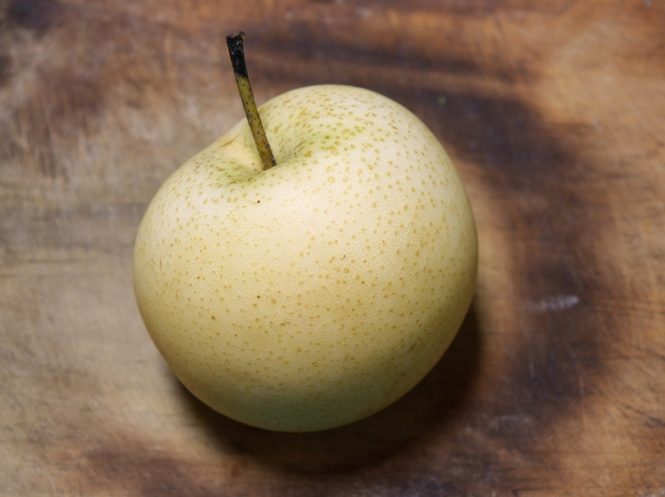
The UTI-Fighting Diet: Expert-Approved Foods to Reduce Recurring Infections
Urinary Tract Infections (UTIs) are a common and often painful condition that affects millions of people worldwide. While antibiotics are often prescribed to treat UTIs, research has shown that a well-planned diet can play a crucial role in preventing and reducing recurring infections. In this article, we will delve into the world of UTI-fighting foods, exploring the expert-approved ingredients and nutrients that can help alleviate symptoms and promote overall urinary health.
Understanding UTIs
Before we dive into the diet, it’s essential to understand what causes UTIs. UTIs occur when bacteria, such as E. coli, enter the urinary tract and multiply, causing inflammation and infection. Women are more prone to UTIs due to their shorter urethra, which allows bacteria to reach the bladder more easily. However, both men and women can experience UTIs, and recurring infections can be a significant concern.
The UTI-Fighting Diet: Key Foods and Nutrients
A UTI-fighting diet focuses on consuming foods that help prevent bacterial growth, reduce inflammation, and promote urinary health. Here are some expert-approved foods and nutrients to include in your diet:
- Cranberries: Cranberries have been a long-standing remedy for UTIs, and for good reason. The proanthocyanidins present in cranberries help prevent bacterial adhesion to the bladder and urinary tract walls, reducing the risk of infection. Enjoy cranberries as a juice, supplement, or dried fruit.
- Berries: Berries, such as blueberries, raspberries, and strawberries, are rich in antioxidants and anti-inflammatory compounds that help reduce oxidative stress and inflammation in the urinary tract.
- Leafy Greens: Leafy greens like spinach, kale, and collard greens are rich in vitamins and minerals, including vitamin C, which helps boost the immune system and prevent bacterial growth.
- Probiotics: Probiotics, found in foods like yogurt, kefir, and fermented vegetables, promote a healthy gut microbiome, which is essential for a strong immune system and preventing UTIs.
- Omega-3 Fatty Acids: Omega-3 fatty acids, found in fatty fish, flaxseeds, and chia seeds, help reduce inflammation and promote healing in the urinary tract.
- Vitamin C-Rich Foods: Foods high in vitamin C, such as citrus fruits, bell peppers, and broccoli, help boost the immune system and prevent bacterial growth.
- Hydrating Foods: Foods with high water content, such as watermelon, cucumbers, and celery, help flush out bacteria and toxins from the urinary tract.
Foods to Avoid
While incorporating UTI-fighting foods into your diet, it’s essential to limit or avoid foods that can exacerbate symptoms or increase the risk of infection. These include:
- Spicy and Acidic Foods: Spicy and acidic foods, such as citrus fruits and tomatoes, can irritate the bladder and worsen symptoms.
- Caffeine and Carbonated Drinks: Caffeine and carbonated drinks can irritate the bladder and increase the risk of infection.
- Processed Meats: Processed meats, such as hot dogs and sausages, are high in advanced glycation end (AGE) products, which canincrease oxidative stress and inflammation in the urinary tract.
Additional Tips
In addition to incorporating UTI-fighting foods into your diet, here are some additional tips to help reduce recurring infections:
- Stay Hydrated: Drinking plenty of water helps flush out bacteria and toxins from the urinary tract, reducing the risk of infection.
- Urinate When Needed: Urinating when needed, rather than holding it in, can help prevent bacterial growth and reduce the risk of infection.
- Practice Good Hygiene: Practicing good hygiene, such as wiping from front to back and avoiding tight clothing, can help reduce the risk of infection.
Conclusion
A well-planned UTI-fighting diet, combined with good hygiene practices and a healthy lifestyle, can help reduce recurring infections and promote overall urinary health. By incorporating expert-approved foods and nutrients into your diet, you can take a proactive approach to preventing UTIs and alleviating symptoms. Remember to stay hydrated, urinate when needed, and practice good hygiene to keep your urinary tract healthy and infection-free. Consult with a healthcare professional or registered dietitian to develop a personalized diet plan tailored to your specific needs and health goals.