Paddling Smart: Techniques for Efficient SUP Strokes
Stand-up paddleboarding (SUP) has become a popular water sport in recent years, and for good reason. It’s an excellent way to explore calm waters, get a great core workout, and enjoy the outdoors. However, to truly enjoy the experience and make the most of your time on the water, it’s essential to develop efficient paddling techniques. In this article, we’ll explore some smart paddling techniques that will help you maximize your strokes and make the most of your SUP adventures.
Understanding the Basics
Before we dive into the techniques, it’s essential to understand the basics of SUP paddling. The paddle is typically held with the blade facing away from you, and the shaft is held with both hands, one hand on either side of the blade. The paddle is used to propel the board through the water, and the most efficient way to do this is to use a smooth, consistent stroke.
Technique 1: Grip and Stance
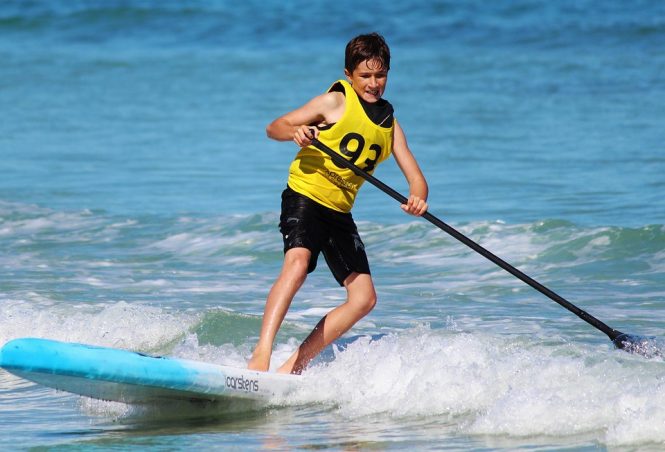
The first step to efficient paddling is to establish a comfortable and stable grip and stance. Hold the paddle with a firm, but not overly tight, grip, and stand with your feet shoulder-width apart, toes pointing slightly outward. Keep your knees slightly bent and your weight centered over the board. This will help you maintain balance and generate power with each stroke.
Technique 2: Stroke Alignment
Proper stroke alignment is critical to efficient paddling. The paddle should enter the water at a 45-degree angle, with the blade facing away from you. As you begin to pull the paddle through the water, keep it in line with the board, with the shaft remaining perpendicular to the water. This will help you generate maximum power and propel the board forward.
Technique 3: Stroke Depth
The depth of your stroke is also crucial to efficient paddling. Aim to keep the paddle blade submerged to a depth of about 6-8 inches, with the shaft remaining above the water. This will help you maintain a consistent and efficient stroke, and avoid wasting energy by paddling too deeply.
Technique 4: Hip Rotation
Hip rotation is a critical component of efficient paddling. As you paddle, rotate your hips and torso, using your core muscles to generate power and propel the board forward. This will help you maintain a smooth, consistent stroke and avoid putting excessive strain on your shoulders and arms.
Technique 5: Paddle Recovery
Finally, it’s essential to develop a smooth and efficient paddle recovery. As you finish each stroke, lift the paddle out of the water and recover it to the starting position, with the blade facing away from you. Avoid slapping the water or using excessive force, as this can create resistance and waste energy.
Tips for Improved Efficiency
In addition to mastering these techniques, there are several tips you can use to improve your paddling efficiency:
- Keep your strokes smooth and consistent: Avoid jerky or erratic movements, and aim for a smooth, consistent stroke.
- Use your core muscles: Engage your core muscles to generate power and propel the board forward.
- Keep your weight centered: Maintain a balanced stance and keep your weight centered over the board.
- Avoid over-paddling: Don’t paddle too hard or too fast, as this can create resistance and waste energy.
Conclusion
Paddling smart is all about developing efficient techniques that maximize your strokes and minimize waste. By mastering the techniques outlined in this article, you’ll be able to paddle more efficiently, conserve energy, and enjoy a more comfortable and enjoyable SUP experience. Whether you’re a seasoned paddler or just starting out, incorporating these techniques into your paddling routine will help you take your SUP game to the next level. So why not get out on the water and start paddling smart today?