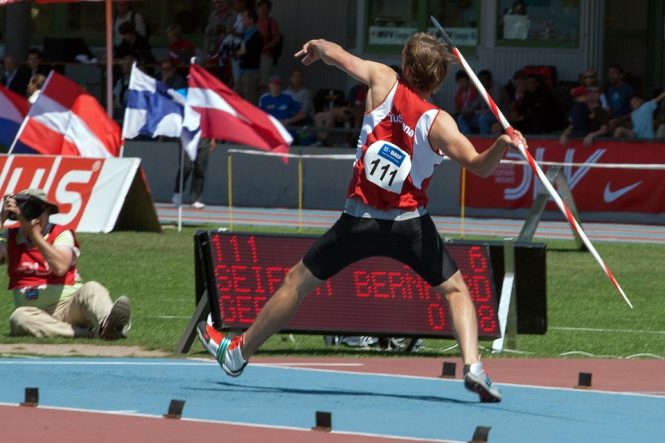
Javelin Throw Aerodynamics: Launching for Maximum Distance
The javelin throw is a technically demanding and physically challenging athletic event that requires a combination of speed, strength, and technique. While the thrower’s physical abilities play a crucial role in determining the distance achieved, the aerodynamics of the javelin itself also significantly impact the flight path and ultimate distance traveled. In this article, we will delve into the aerodynamics of javelin throw launching, exploring the key factors that influence maximum distance and offering insights into how athletes can optimize their technique to achieve the best possible results.
Javelin Design and Aerodynamics
The modern javelin is designed to be aerodynamically efficient, with a pointed tip, a streamlined body, and a tapered tail. The shape of the javelin is carefully crafted to minimize drag, which is the force that opposes the motion of the javelin through the air. The javelin’s aerodynamic characteristics are influenced by its size, shape, and material composition, with the goal of maximizing lift and minimizing drag.
Launch Angle and Velocity
The launch angle and velocity of the javelin are critical factors in determining the distance achieved. The optimal launch angle for a javelin throw is between 30° and 40°, which allows the javelin to travel at a relatively flat trajectory while still generating sufficient lift to counteract the effects of gravity. The launch velocity, which is influenced by the thrower’s technique and physical ability, also plays a significant role in determining the distance achieved. A faster launch velocity results in a longer distance, as the javelin has more kinetic energy to overcome air resistance and travel farther.
Wind Resistance and Drag
Wind resistance, or drag, is a significant factor in the javelin throw, as it slows down the javelin and reduces its range. The drag force acting on the javelin is influenced by its shape, size, and velocity, as well as the air density and wind speed. To minimize drag, javelin throwers aim to release the javelin at an angle that allows it to fly with the least amount of resistance, typically between 30° and 40°.
Spin and Rotation
Spin and rotation are also essential factors in the javelin throw, as they influence the stability and aerodynamics of the javelin in flight. A javelin with a high degree of spin will experience a greater amount of lift, which can help to counteract the effects of gravity and increase the distance achieved. However, excessive spin can also lead to instability and a loss of control, resulting in a shorter distance.
Optimizing Technique for Maximum Distance
To achieve maximum distance in the javelin throw, athletes must optimize their technique to take into account the aerodynamic factors discussed above. Here are some key tips for javelin throwers:
- Use a consistent launch angle: Aim to release the javelin at an angle between 30° and 40° to achieve a flat trajectory and minimize drag.
- Generate maximum velocity: Use your legs, hips, and core to generate as much speed and power as possible, while maintaining control and technique.
- Control the spin: Aim to release the javelin with a moderate amount of spin, around 300-400 rpm, to generate lift and stability without losing control.
- Pay attention to wind conditions: Take into account the wind speed and direction when throwing, and adjust your technique accordingly to minimize the effects of drag.
- Practice and refine your technique: Continuously work on refining your technique, paying attention to your launch angle, velocity, spin, and overall throwing motion.
Conclusion
The javelin throw is a highly technical and physically demanding athletic event that requires a deep understanding of aerodynamics and throwing technique. By optimizing their launch angle, velocity, spin, and rotation, athletes can achieve maximum distance and compete at the highest levels. Whether you’re a seasoned athlete or just starting out, understanding the aerodynamics of the javelin throw can help you improve your technique and achieve your goals. Remember to practice consistently, refine your technique, and stay focused on your training to become a successful javelin thrower.