Eat to Beat Anxiety: The Surprising Nutrients That Can Calm Your Mind
Anxiety is a ubiquitous and debilitating condition that affects millions of people worldwide. While traditional treatments often focus on medication and therapy, a growing body of research suggests that nutrition plays a crucial role in managing anxiety. The food we eat can either exacerbate or alleviate anxiety symptoms, and incorporating specific nutrients into our diet can have a profound impact on our mental well-being. In this article, we will explore the surprising nutrients that can calm your mind and help you eat to beat anxiety.
The Gut-Brain Connection
The relationship between the gut and brain is intricate and bidirectional. The gut microbiome, comprising trillions of microorganisms, produces neurotransmitters and hormones that influence mood, cognition, and anxiety. A healthy gut microbiome is essential for producing serotonin, dopamine, and other neurotransmitters that regulate mood and reduce anxiety. On the other hand, an imbalance of the gut microbiome, also known as dysbiosis, can lead to increased anxiety and stress levels.
Nutrients That Calm the Mind
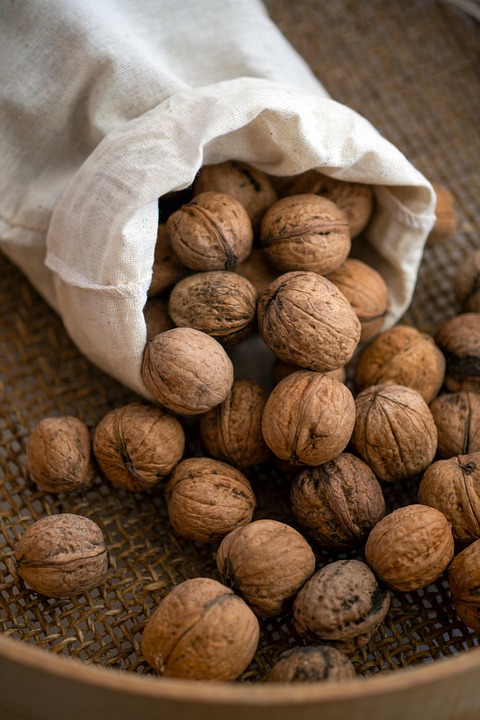
- Omega-3 Fatty Acids: These essential fatty acids, particularly EPA and DHA, have anti-anxiety effects by reducing inflammation and promoting neural health. Foods rich in omega-3s include fatty fish, flaxseeds, and walnuts.
- GABA (Gamma-Aminobutyric Acid): GABA is an inhibitory neurotransmitter that helps regulate anxiety and stress responses. Foods that support GABA production include fermented foods like kimchi, sauerkraut, and kefir, as well as green tea and passionflower.
- Vitamin D: This essential vitamin plays a critical role in regulating mood and reducing anxiety. Foods rich in vitamin D include fatty fish, egg yolks, and mushrooms, as well as fortified dairy products.
- Magnesium: This mineral is essential for neuronal function and can help alleviate anxiety symptoms. Dark leafy greens, nuts, and seeds are rich in magnesium, while dark chocolate and avocados are also good sources.
- Tryptophan: This amino acid is a precursor to serotonin, a neurotransmitter that regulates mood and anxiety. Foods rich in tryptophan include turkey, chicken, fish, and beans, as well as eggs and dairy products.
- Probiotics: These beneficial microorganisms support gut health and can help reduce anxiety symptoms. Probiotic-rich foods include yogurt, kefir, and fermented vegetables like sauerkraut and kimchi.
- B Vitamins: B vitamins, particularly B5, B6, and B12, play a crucial role in neurotransmitter synthesis and can help alleviate anxiety symptoms. Foods rich in B vitamins include lean meats, fish, and whole grains, as well as legumes and nuts.
Foods That Exacerbate Anxiety
While incorporating anxiety-reducing nutrients into our diet is essential, it’s also important to avoid foods that can exacerbate anxiety symptoms. These include:
- Processed Foods: Foods high in sugar, salt, and unhealthy fats can disrupt the gut microbiome and lead to increased anxiety.
- Caffeine: Excessive caffeine consumption can increase anxiety and jitteriness.
- Gluten: Some individuals may experience anxiety and digestive issues due to gluten intolerance or sensitivity.
- Food Additives: Artificial food additives, such as MSG and aspartame, can trigger anxiety and other adverse reactions.
Practical Tips for Eating to Beat Anxiety
- Eat a Balanced Diet: Focus on whole, unprocessed foods, including fruits, vegetables, whole grains, lean proteins, and healthy fats.
- Incorporate Anxiety-Reducing Nutrients: Make sure to include foods rich in omega-3s, GABA, vitamin D, magnesium, tryptophan, probiotics, and B vitamins in your diet.
- Stay Hydrated: Adequate hydration is essential for maintaining a healthy gut microbiome and reducing anxiety symptoms.
- Avoid Trigger Foods: Identify and avoid foods that trigger anxiety symptoms, such as processed foods, caffeine, and gluten.
- Consider Supplements: If you’re struggling to get enough anxiety-reducing nutrients from your diet, consider consulting with a healthcare professional about supplements.
Conclusion
Anxiety is a complex condition that requires a multifaceted approach. While nutrition is not a replacement for traditional treatments, incorporating anxiety-reducing nutrients into our diet can have a profound impact on our mental well-being. By understanding the gut-brain connection and focusing on whole, nutrient-dense foods, we can take the first step towards eating to beat anxiety. Remember, a healthy diet is just one aspect of managing anxiety, and it’s essential to consult with a healthcare professional for personalized guidance and support.