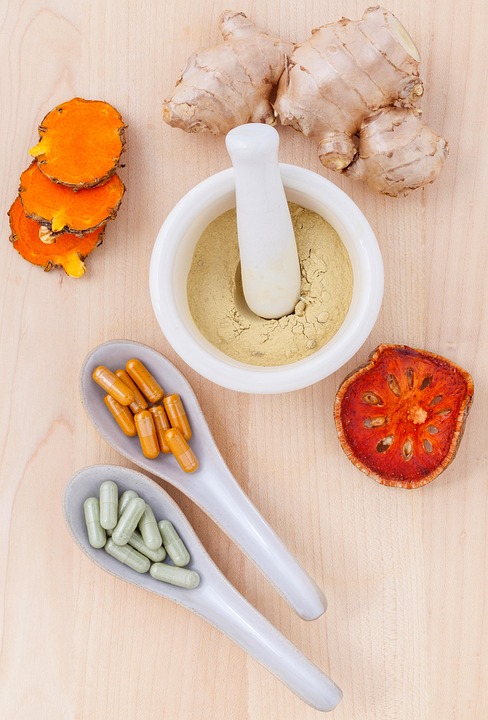
Supplement Safety Under Scrutiny: The Risks of Unregulated Herbs
The supplement industry has grown exponentially over the past few decades, with millions of people turning to herbal remedies and dietary supplements to improve their health and wellbeing. However, the lack of regulation and oversight in the industry has raised concerns about the safety and efficacy of these products. In recent years, several high-profile cases of adverse reactions and contamination have highlighted the risks associated with unregulated herbs and supplements.
The Problem of Unregulated Herbs
The dietary supplement industry is largely self-regulated, with manufacturers responsible for ensuring the safety and quality of their products. However, this lack of oversight has led to a proliferation of untested and unproven herbs and supplements on the market. Many of these products are marketed with exaggerated or unsubstantiated claims, and some have been found to contain contaminants, such as heavy metals, pesticides, and prescription medications.
One of the main concerns is the lack of standardization in the industry. Herbal supplements can vary widely in terms of their potency, purity, and composition, making it difficult for consumers to know what they are getting. Additionally, many herbal supplements are not tested for safety and efficacy in humans, and some have been found to interact with prescription medications or exacerbate underlying health conditions.
Risks Associated with Unregulated Herbs
The risks associated with unregulated herbs and supplements are numerous and well-documented. Some of the most common risks include:
- Adverse reactions: Herbal supplements can cause a range of adverse reactions, from mild symptoms such as nausea and headaches to life-threatening conditions such as liver damage and cardiovascular problems.
- Contamination: Herbal supplements can be contaminated with heavy metals, pesticides, and other toxic substances, which can cause serious health problems.
- Interactions with prescription medications: Herbal supplements can interact with prescription medications, reducing their efficacy or increasing the risk of adverse reactions.
- Exacerbation of underlying health conditions: Herbal supplements can exacerbate underlying health conditions, such as diabetes, high blood pressure, and bleeding disorders.
Examples of Unregulated Herbs with Safety Concerns
Several herbal supplements have been associated with safety concerns in recent years. Some examples include:
- St. John’s Wort: This herbal supplement has been linked to serious interactions with prescription medications, including blood thinners and antidepressants.
- Ginkgo biloba: Ginkgo biloba has been associated with an increased risk of bleeding and has been linked to several cases of stroke and cerebral hemorrhage.
- Yohimbine: Yohimbine, a herbal supplement marketed for weight loss and sexual enhancement, has been linked to several cases of adverse reactions, including seizures, anxiety, and hypertension.
Regulatory Efforts to Improve Supplement Safety
In response to concerns about supplement safety, regulatory agencies have taken steps to improve oversight and enforcement in the industry. The US Food and Drug Administration (FDA) has increased its enforcement efforts, issuing warnings and recalls for contaminated or adulterated supplements. Additionally, the FDA has established guidelines for good manufacturing practices (GMPs) for dietary supplements, which aim to ensure the quality and purity of these products.
What Consumers Can Do to Stay Safe
While regulatory efforts are underway to improve supplement safety, consumers must take steps to protect themselves from the risks associated with unregulated herbs and supplements. Some tips include:
- Research the manufacturer: Look for manufacturers that adhere to GMPs and have a good track record of safety and quality.
- Check the label: Be wary of supplements with exaggerated or unsubstantiated claims, and look for products that have been tested for safety and efficacy.
- Consult with a healthcare professional: Before taking any supplement, consult with a healthcare professional to discuss potential risks and interactions.
- Report adverse reactions: If you experience an adverse reaction to a supplement, report it to the FDA or your healthcare professional.
Conclusion
The supplement industry is a complex and largely unregulated market, with millions of people turning to herbal remedies and dietary supplements to improve their health and wellbeing. However, the lack of oversight and standardization in the industry has raised concerns about the safety and efficacy of these products. By understanding the risks associated with unregulated herbs and supplements, consumers can take steps to protect themselves and make informed decisions about their health. Regulatory efforts to improve supplement safety are underway, but it is ultimately up to consumers to be vigilant and demand higher standards of quality and safety from manufacturers.